
 English
 Spanish
 French
 German
 Italian
 Chinese (Simplified)
 Japanese
 Korean
 Arabic
 Portuguese
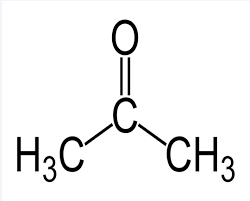
Acetone 1
40.00 - 80.00 INR
Product Details:
- Appearance Clear, Colorless Liquid
- Odour Characteristic, Sweetish Odour
- Ph Level Neutral
- Density 0.790 Gram per cubic centimeter(g/cm3)
- Solubility Miscible with water, alcohol, ether
- Molecular Weight 58.08 g/mol
- Chemical Name Acetone
- Click to View more
X
Acetone 1 Price And Quantity
- 1Ton Piece
- 40.00 - 80.00 INR
Acetone 1 Product Specifications
- 24 Months
- Characteristic, Sweetish Odour
- Liquid
- Industrial Grade
- 0.790 Gram per cubic centimeter(g/cm3)
- Solvent
- Neutral
- 99.5%
- Paint Thinner, Cleaning, Solvent in laboratory and industrial processes
- Crude Acetone
- 58.08 g/mol
- Miscible with water, alcohol, ether
- Acetone
- Dimethyl Ketone, Propanone
- 24 Months from Mfg. Date
- Clear, Colorless Liquid
- Direct use, mixing, immersion, or as component of formulated products
- Fast Evaporating
- Industrial Cleaning, Degreasing, Paint Removal, Chemical Synthesis
Acetone 1 Trade Information
- Letter of Credit (L/C), Telegraphic Transfer (T/T), Letter of Credit at Sight (Sight L/C), Cash in Advance (CID), Cheque, Cash Advance (CA)
- 30 Piece Per Day
- 15-30 Days
- Yes
- Contact us for information regarding our sample policy
- Barrel
- Western Europe, Central America, Eastern Europe, Africa, Middle East, South America, Australia, Asia, North America
- All India
Product Description
We continue to adapt to the technological advancements to manufacture and supply a qualitative range of Acetone . These organic compounds are used as a good solvent for plastics and synthetic fibers processing. For complete clients satisfaction, our offered Acetone is processed at our modern labs by employing optimum quality components. Precise pH value and accurate composition are some of the salient attributes of our solvents.
Features:
- Quick evaporation
- No harmful effect
- Longer shelf life
Specifications:
|
Purity |
99.5 % Minimum |
|
Moisture |
0.3 to 0.5 % |
|
Colour |
Water White |
|
Gravity |
0.792 |
|
Packing |
160 kg / HDPE drum |
|
Density Mix |
0.800 to 0.815 |
Efficient Solution for Industrial Cleaning
Acetones exceptional solvency power and rapid evaporation make it ideal for removing stubborn residues, oils, and paint from industrial equipment. Its versatility ensures efficient cleaning with minimal downtime, supporting both direct use and integration into formulated products.
Wide-Ranging Applications
Acetone is utilized in numerous industries, including paint, coatings, laboratory preparations, and chemical manufacturing. Its miscibility with many solvents and fast evaporation rate enable effective use in cleaning, thinning, and synthetic processes, ensuring practical results in demanding environments.
FAQs of Acetone 1:
Q: How is acetone typically used in industrial processes?
A: Acetone is applied directly, as a mixing agent, by immersion, or as a component in formulated products. Its main uses include industrial cleaning, degreasing, paint removal, and as a solvent in laboratory and manufacturing applications.Q: What benefits does acetone offer over other solvents?
A: Acetones rapid evaporation, strong solvency, and full miscibility with water and common organic solvents facilitate efficient cleaning and drying. Its high purity and neutrality minimize residue and are suitable for sensitive processes.Q: When should acetone be chosen for cleaning or paint removal?
A: Acetone should be selected for tasks requiring fast-acting, effective removal of adhesives, paints, or grease, particularly when minimal residue and rapid drying are essential. It is well-suited for use in industries needing quick turnarounds.Q: Where can acetone be safely stored and handled?
A: Acetone must be stored in tightly closed containers like drums, barrels, tankers, or HDPE carboys, in well-ventilated areas away from heat and sources of ignition. Always handle in line with safety protocols due to its high flammability and vapor risks.Q: What safety precautions are necessary when using acetone industrially?
A: Ensure good ventilation and avoid sources of heat or flames. Personal protective equipment, such as gloves and goggles, should be used. Acetone vapors may cause drowsiness and dizziness, so limit exposure and follow local regulations for hazardous materials.Q: How long does acetone last, and what are the storage guidelines?
A: Acetone has a shelf life of 24 months after manufacturing if stored according to recommendationsnamely, in sealed, chemical-resistant containers away from direct sunlight and extreme temperatures.Q: What is the process for using acetone as a laboratory solvent?
A: In lab settings, acetone is directly mixed with target compounds or used for equipment cleaning due to its strong solvency and rapid evaporation. Always adhere to required laboratory safety procedures when handling acetone.Tell us about your requirement

Price:
Quantity
Select Unit
- 50
- 100
- 200
- 250
- 500
- 1000+
Additional detail
Mobile number
Email

Other Products in 'Industrial Solvent' category


Parent Company-
REE ATHARVA LIFE SCIENCE PVT. LTD.
Plot no-5178 GIDC Ankleshwar
Sister Concern Company-
1. ATHARVA ENTERPRISES
Plot No- J-5231 GIDC, Ankleshwar.
2. RANKE ATHARVA ENTERPRISE PVT LTD
Plot No.-5157&5158 GIDC, Ankleshwar.
Contact Details
REE ATHARVA LIFESCIENCE PVT. LTD.
GST : 24AADCR8759D1Z8
GST : 24AADCR8759D1Z8

- Plot no: 5231, Nr. Seven Water Tank GIDC, Ankleshwar - 393002, Gujarat, India
- Phone :08045477240
- info@reeatharva.com
 Send Inquiry



- Mr Kalpesh Patel (DIRECTOR)
- Mobile :08045477240

|

 |
REE ATHARVA LIFESCIENCE PVT. LTD.
All Rights Reserved.(Terms of Use) Developed and Managed by Infocom Network Private Limited. |
